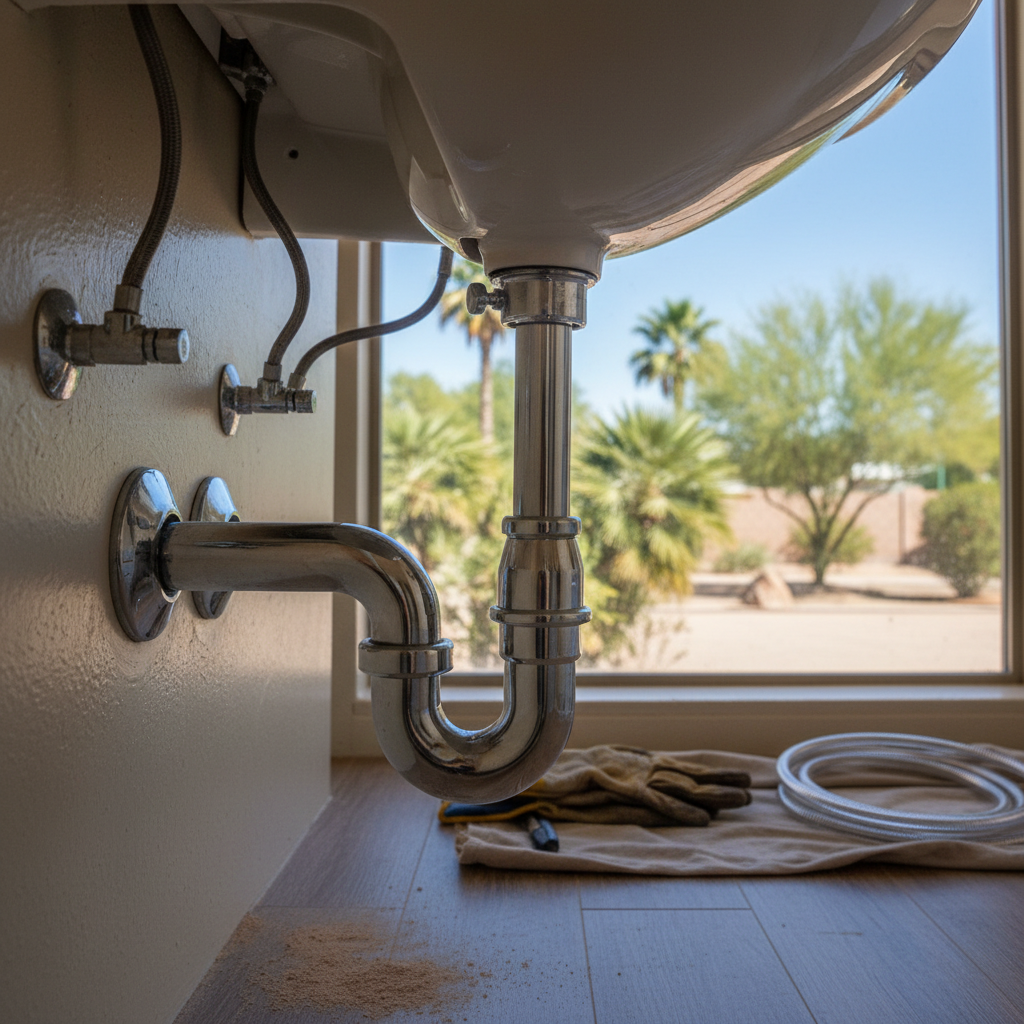
Is your kitchen sink gurgling like a monster, or is the shower drain taking its sweet time? You're not alone. Here in Chandler, I get calls about clogged drains almost every day. It's a fact of life for homeowners, but it doesn't have to be a nightmare. I'm going to answer some of the most common questions I hear about drain cleaning, so you know what's really going on and what to do about it.
What's the difference between a slow drain and a full-blown clog?
Good question, and it's important to know the distinction because it often tells you how much trouble you're in. A slow drain means water eventually goes down, but it takes way longer than it should. You might see water pooling in the shower or sink for a bit before it finally clears. This usually means there's a buildup – grease, hair, soap scum – narrowing the pipe. It's like a road with too much traffic; things are moving, but slowly. A full-blown clog? That's when water just sits there. It's not going anywhere. That pipe is completely blocked, like a road that's totally shut down. Slow drains are a warning sign; full clogs are an emergency.
Can I just use a chemical drain cleaner from the store?
Look, I know those bottles promise a quick fix, but honestly, I rarely recommend them. Here's why: most of those chemical cleaners are incredibly harsh. They work by creating a chemical reaction, often generating heat, to dissolve the clog. The problem is, they don't just dissolve the clog; they can also corrode your pipes, especially older ones or PVC. I've seen plenty of cases where those cleaners caused more damage than the clog itself, leading to leaks or even burst pipes down the line. Plus, if the cleaner doesn't work and you end up calling a pro, we're now dealing with caustic chemicals in your pipes, which makes our job more hazardous. Stick to a plunger first, or call us.
What causes most drain clogs in Chandler homes?
It's usually a combination of things, but I can tell you the main culprits I see around here. In the kitchen, it's almost always grease and food particles. People pour cooking oil down the sink, or rinse plates without scraping them properly, and that grease solidifies in the pipes, catching other debris. In bathrooms, it's hair, soap scum, and toothpaste. Especially with our hard water here in Chandler, that soap scum builds up fast and acts like glue for hair. Sometimes, though, it's something more serious, like tree roots. We've got plenty of mature trees in neighborhoods like Dobson Ranch, and those roots are always looking for water, finding their way into sewer lines through tiny cracks.
How often should I have my drains professionally cleaned?
There's no one-size-fits-all answer, but I can give you some guidelines. If you're proactive, a professional drain cleaning every 1-2 years can prevent most major issues. Think of it like an oil change for your car; it keeps things running smoothly. If you've got older pipes, or if you're experiencing frequent slow drains, you might want to do it annually. For homes with a lot of occupants, or if you're regularly putting things down the drain that you shouldn't (even accidentally), more frequent cleanings might be a good idea. It's definitely cheaper to prevent a clog than to deal with a burst pipe or a sewage backup.
What's involved in a professional drain cleaning?
When you call someone like Chandler Water Heater for a drain issue, we're not just pouring chemicals down there. We've got a few tools in our arsenal. For most clogs, we'll start with a professional-grade auger, or a snake. These are much longer and more powerful than anything you'd buy at a hardware store, and they can cut through most blockages. For more stubborn clogs, or if we suspect a bigger problem like roots or significant buildup, we might use hydro-jetting. That's where we blast high-pressure water through your pipes to scour the inside walls clean. It's incredibly effective and much safer for your pipes than chemicals. We also use camera inspections to pinpoint the exact location and nature of the clog, especially for main sewer lines.
Can I prevent drain clogs, or are they inevitable?
You can definitely prevent most clogs! They're not totally inevitable if you're smart about it. Here are my top tips:
- Watch what goes down the kitchen sink: No grease, no coffee grounds, no large food scraps. Use a drain strainer.
- Hair catchers are your friend: In the shower, a simple hair catcher can save you a lot of headaches.
- Flush responsibly: Only flush toilet paper and human waste. Wipes, even