What's the deal with garbage disposals? Are they really worth it?
Alright, let's talk disposals. Yeah, they're definitely worth it for most folks, but you gotta use 'em right. A good disposal grinds up food waste, sending it down the drain instead of into your trash can. That means no more stinky kitchen! Plus, fewer trips to the outside bin, and less organic matter sitting around attracting pests, which is a real bonus in our Chandler heat.
But here's the kicker: they're not magic. You can't just shove anything down there. Things like coffee grounds, eggshells, pasta, rice, potato peels, and especially grease? Those are big no-nos. They'll either gum up the works, create a thick sludge in your pipes, or just sit there and eventually cause a clog. I've seen plenty of clogs from folks thinking their disposal was a black hole for all food waste, believe me. Stick to soft food scraps, run plenty of cold water while it's grinding, and keep it clean with a little dish soap and cold water after each use. If you hear a humming but nothing's grinding, it's probably jammed. Hit the reset button on the bottom, or try turning the flywheel with an Allen wrench from the bottom center hole. If that doesn't work, give us a call.
My kitchen sink is draining slowly. What's usually the cause, and can I fix it myself?
A slow-draining kitchen sink? That's almost always a grease and food particle buildup situation. Think about all the stuff that goes down there over time – cooking oils, bits of food that slip past the strainer, soap scum. It all combines to form a sticky, gunky mess that narrows your pipes until water can barely get through.
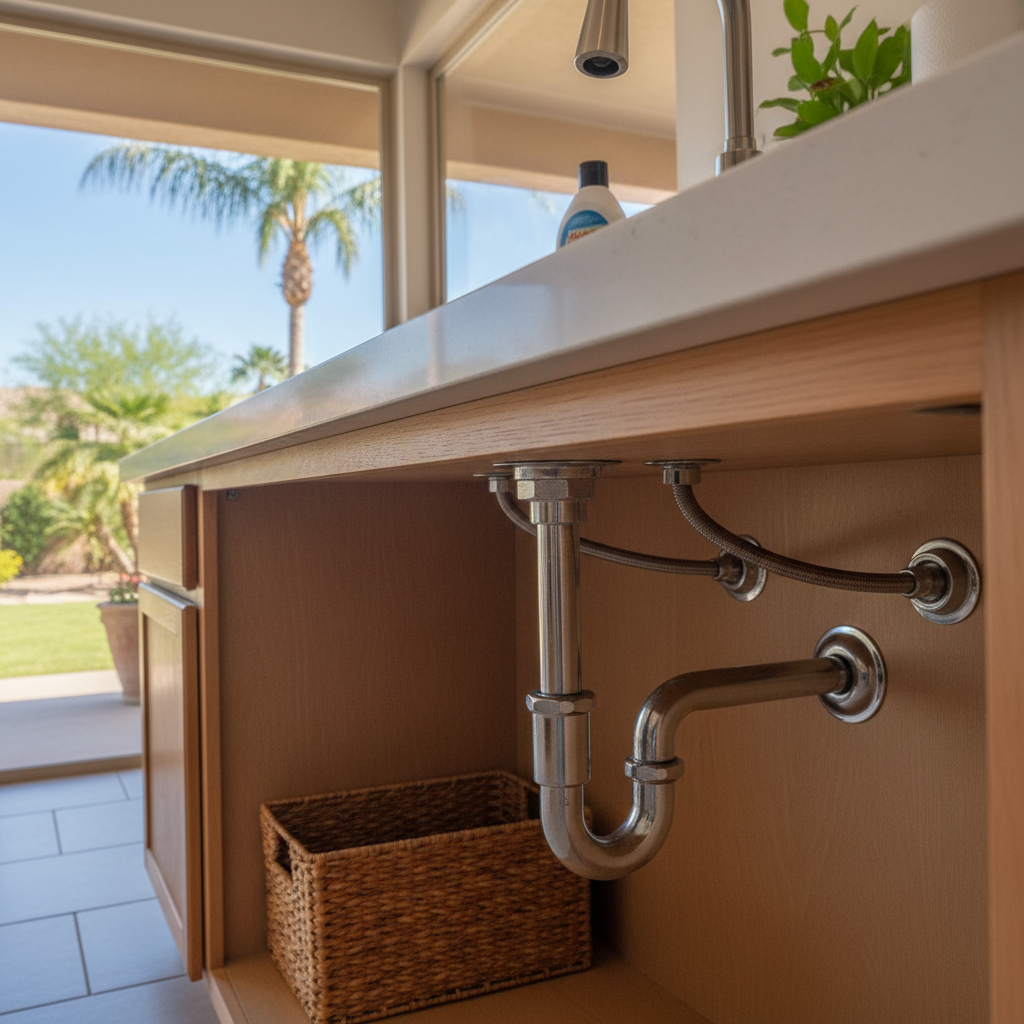
Can you fix it yourself? Sometimes, yeah. First thing, try pouring a kettle of boiling water down the drain. Be careful, obviously. Sometimes that'll loosen up some of the grease. If that doesn't work, you can try a plunger. Make sure you seal off the other sink opening (if you have a double sink) with a wet rag or stopper to create good suction. Plunge vigorously for a minute or two. Still slow? You might need to get under the sink and check the P-trap. That's the U-shaped pipe directly below the drain. It's designed to hold a little water to prevent sewer gases from coming up, but it's also a common spot for clogs. Put a bucket underneath, unscrew the slip nuts, and clean out whatever gunk is in there. Wear gloves, it's usually pretty nasty. If none of that works, or if you're not comfortable messing with pipes, that's when you call in a pro. Chemical drain cleaners? I'd generally stay away from 'em. They're harsh, can damage your pipes over time, and often just push the problem further down the line.
My kitchen faucet is leaking. Is it a big deal, and what's involved in fixing it?
A leaking faucet might seem minor, but it's definitely a big deal. First off, it's wasting water, and in a desert climate like Chandler, that's just throwing money down the drain. Second, that constant drip can lead to water stains on your sink or countertop, and over time, it can cause mold or even damage to your cabinets if the leak is underneath. Plus, that incessant dripping noise? Annoying.
Most kitchen faucet leaks happen because internal components – O-rings, washers, or cartridges – have worn out. The fix depends on the type of faucet you have. For compression faucets (the older style with two separate handles), it's usually a worn washer. For cartridge or disc faucets (single handle), it's often the cartridge itself. You can usually find a repair kit for your specific faucet brand and model at a hardware store. You'll need to turn off the water supply to the sink (usually valves under the sink), disassemble the faucet handle, remove the old part, and put in the new one. It's a pretty straightforward DIY for many folks, but if you're not handy or can't figure out how to take it apart, don't force it. You could break something and turn a small leak into a flood. That's when you call someone like Chandler Water Heater, and we can get it sorted out quickly.
How often should I have my kitchen drains professionally cleaned?
This isn't a one-size-fits-all answer, honestly. It really depends on how much you use your kitchen sink and how careful you are about what goes down it. If you're super diligent about keeping grease and food scraps out, you might go years without needing a professional cleaning. But if you've got a busy family, do a lot of cooking, or have an older home with original cast iron pipes that are more prone to buildup, you might need it every couple of years.
The best indicator is how your drains are performing. If you notice it's draining slower than usual, if there's a gurgling sound coming from the drain, or if you start getting odors, those are all signs it's time for a professional cleaning. Don't wait until it's completely backed up. Regular maintenance, even if it's just once every few years, can prevent bigger, more expensive problems down the road. Especially here in Chandler, where hard water can contribute to mineral buildup in pipes, a good professional cleaning can keep things flowing smoothly.
What's the deal with under-sink water filters? Are they worth it?
Under-sink water filters are a fantastic option for a lot of homeowners, especially if you're not a fan of the taste or quality of our tap water here in Chandler. We've got pretty good water, but some folks prefer an extra layer of filtration, and I get that. These systems connect directly to your cold water line, usually under your kitchen sink, and deliver filtered water through a separate small faucet installed on your countertop.
Are they worth it? Absolutely, if you're looking for better-tasting water for drinking and cooking, and want to reduce contaminants like chlorine, sediment, or even some heavy metals. They're more effective and convenient than pitcher filters, and you don't have to refill them constantly. Installation usually involves tapping into your cold water line, mounting the filter unit, and drilling a small hole for the dedicated faucet. It's a job that requires a bit of plumbing know-how, but it's totally doable for a handy homeowner. Just make sure to pick a filter system that addresses the specific contaminants you're concerned about and remember to change the filter cartridges regularly as per the manufacturer's instructions to keep it working effectively.
My dishwasher isn't draining. Is that a plumbing issue or an appliance issue?
This is a common one, and it can be a bit of both, honestly. When your dishwasher isn't draining, the first thing I'd check is the air gap, if you have one. That's that small cylindrical fitting usually on your countertop near the faucet, often with a decorative cap. If it's clogged, it can prevent proper draining. Take off the cap and clean out any gunk you find.
If you don't have an air gap, or if cleaning it doesn't help, the next most common culprit is a clog in the drain hose itself, or where the drain hose connects to your garbage disposal or main sink drain. If you've recently installed a new garbage disposal, sometimes the knockout plug inside the disposal's dishwasher inlet isn't removed, which will definitely stop drainage. It's a small plastic piece you have to knock out before connecting the dishwasher hose. I've seen that happen more times than I can count.
Beyond that, it could be the dishwasher's drain pump or a filter inside the dishwasher itself. If you've checked the air gap and the drain hose connection points and everything looks clear, then it's likely an appliance issue with the dishwasher's internal pump or filter, and you might need to call an appliance repair person. But often, it's a plumbing-related clog that we can quickly clear out for you.