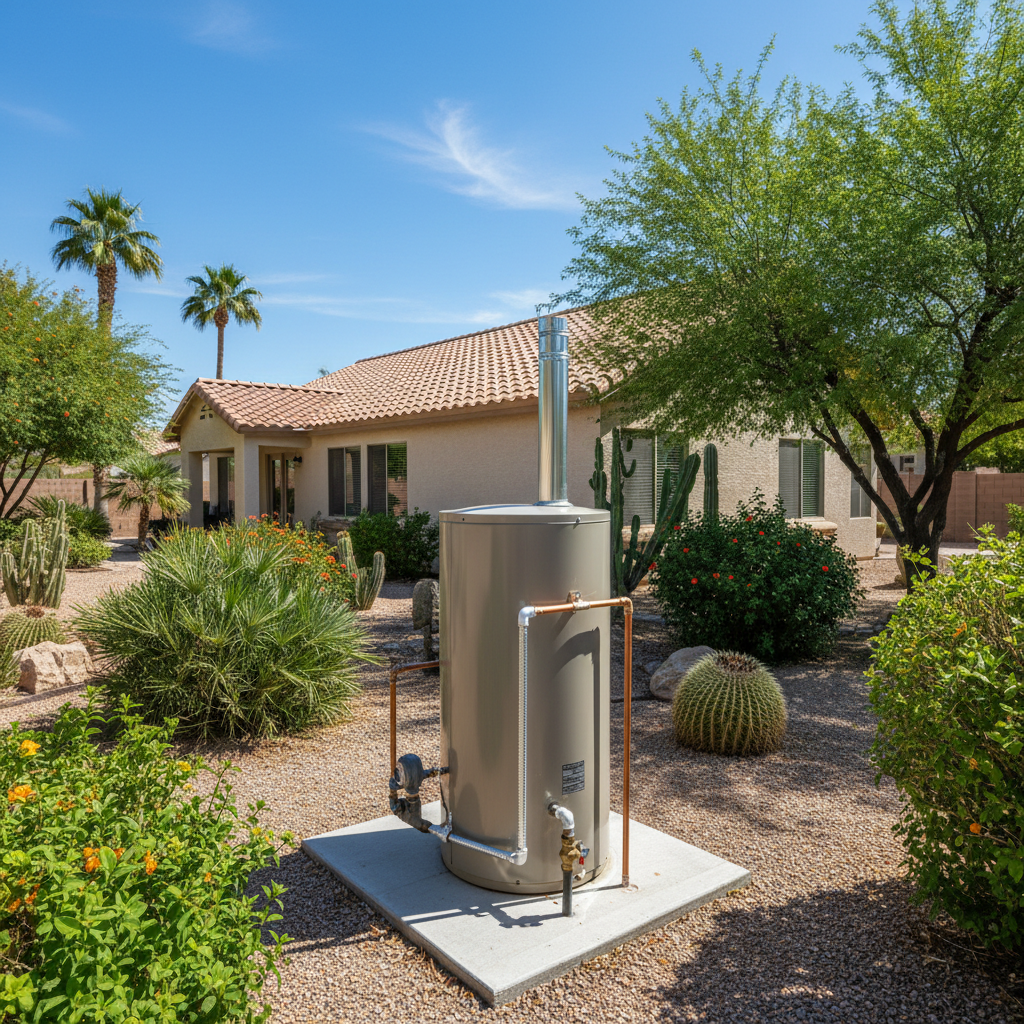
When's the best time to replace your water heater here in Chandler? That's a question I hear a lot, and honestly, the answer isn't always just "when it finally kicks the bucket." Our local climate, with those scorching summers and surprisingly cool winters, really makes a difference. It dictates when it makes sense to schedule this kind of work, and how the weather can even affect the job itself.
When to Schedule Your Water Heater Installation
Look, if your water heater dies in July, you're not going to wait around. You need hot water, and you need it right now. But if you're planning ahead—maybe your unit's getting old, or you're doing a remodel—there are definitely better times than others to get it done.
- Fall and Spring are Your Best Bet: These seasons are the sweet spot. The weather's usually mild, not too hot, not too cold. This means my crews aren't battling 115-degree heat or trying to work with numb fingers. It's just more comfortable for everyone, and it often means we can get to you quicker because we're not swamped with emergency calls from units that gave up in extreme temperatures. Oh, and if your water heater is in the garage, like many homes in the Ocotillo area, mild weather makes a huge difference for the technician.
- Try to Avoid Peak Summer (if you can): July and August are brutal. Not just for us working outside or in hot garages, but for you too. If your old unit needs to be drained and removed, and the new one installed, you're going to be without hot water for a few hours. Doing that when it's already 100 degrees outside and you're craving a cool shower? No fun at all.
- Winter Isn't Bad, But Be Ready: Our winters aren't like up north, but it can still get chilly, especially in the mornings. If your water heater is outside, or in an unconditioned space, the cold can make things a bit slower. We're still happy to do the work, but just know it might take a little longer to get everything warmed up and tested properly.
How Chandler Weather Impacts the Job
You might think, "It's a water heater, it's inside, so what does the weather matter?" Well, it matters more than you'd think, especially for us on the installation side.
- Extreme Heat: This is our biggest challenge, no doubt. Working in a garage that's 110 degrees is tough. It slows things down, means more breaks, and frankly, it's a safety concern for my guys. It also puts stress on tools and equipment. Plus, draining a hot water heater in the summer means a lot of hot water going into your landscaping or drain system, which we manage very carefully.
- Dust and Monsoon Storms: We get those crazy dust storms (haboobs) and then the monsoon rains. If your water heater is in an exposed area, or we need to bring tools and the new unit through your yard, these conditions can make things messy and more difficult. We always protect your home, but a downpour or a wall of dust just adds an extra layer of complexity.
- Cold Snaps: While rare, we do get cold snaps sometimes. If pipes are exposed or the unit is outside, we have to be extra careful to prevent any freezing issues during the installation process, even for a short time. This is less common for water heater installs than, say, a new water line, but it's still something we keep an eye on.
Protecting Your Investment Year-Round
Once your new water heater is in, you want it to last. Here's how to protect it, keeping our Chandler climate in mind:
- Flush it Regularly: This is huge, especially with our hard water. Sediment builds up at the bottom of the tank, reducing efficiency and eventually shortening its life. I recommend flushing your tank once a year. It's a simple process, and we can show you how if you're comfortable doing it yourself, or Chandler Water Heater can handle it for you.
- Check for Leaks: Our dry air can sometimes make small leaks evaporate before you even notice them. Make it a habit to visually inspect around your water heater every few months. Look for any signs of moisture, rust, or mineral deposits. Catching a small leak early can save you from a major headache later, trust me.
- Insulation (if it applies to you): If your water heater is in an unconditioned space like a garage or outside, a water heater blanket can help, especially in winter. It keeps the heat in, meaning your unit doesn't have to work as hard. Just make sure it's installed correctly and doesn't block any vents or controls.
- Anode Rod Inspection: This sacrificial rod protects your tank from corrosion. With our water quality, it can corrode faster. Have it checked every few years. Replacing it is much cheaper than replacing the whole unit, right?
Thinking ahead about your water heater installation can save you some hassle and ensure a smoother process. If you've got questions about your specific situation or when to schedule, just give us a call. We're here to help you keep that hot water flowing, no matter what the Chandler weather throws at us.