Alright, let's talk water lines. It's not the most glamorous plumbing topic, I know, but it's absolutely critical for your home. Whether you're dealing with old, leaky pipes, adding an extension, or just upgrading your system, you've probably got questions. I've been doing this in Chandler for a long time, and I hear the same concerns over and over. So, I figured I'd put together a straightforward FAQ to clear things up. No fluff, just the facts you need.
Why would I even need a new water line installed?
Good question, actually. Most folks don't think about their main water line until there's a problem, and by then, it's usually an emergency. But there are a few common reasons you might need a new installation, not just a quick patch-up. First off, age. If your home was built back in the 60s or 70s, you might have galvanized steel pipes. Those things corrode from the inside out, restricting water flow and eventually leading to leaks. I've seen plenty of homes in older Chandler neighborhoods like Sun Lakes where this is a real issue. Another big one is a major leak that's just not worth patching up, especially if it's underground. Sometimes, you're building an addition to your house, like a new bathroom or a whole guest house, and your existing main line just can't handle the increased demand. Or maybe you're putting in a new irrigation system for that desert landscaping and need a dedicated line. Whatever the reason, it's a significant project, and you want it done right, right?
What's involved in a typical water line installation?
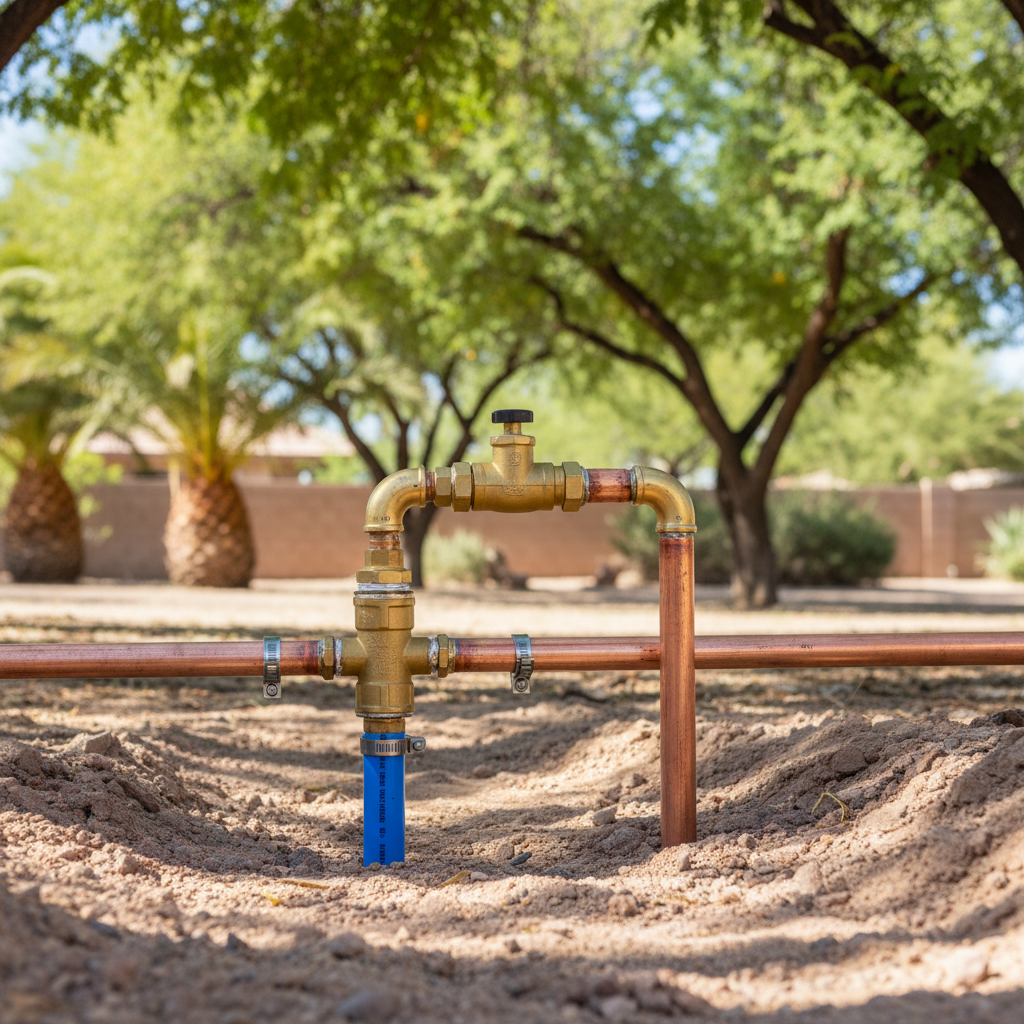
It's more than just digging a trench, I can tell you that. First, we've got to figure out the best route from your water meter to your house, or wherever the new line needs to go. We'll mark out all existing utilities – gas, electric, sewer – to make sure we don't hit anything important. Then comes the excavation. Depending on the situation, we might use a trenching machine or, for more precise or tricky spots, good old-fashioned hand digging. Once the trench is open, we lay the new pipe. Most modern water lines are PEX or copper, both of which are durable and flexible. We make all the connections, test for leaks thoroughly, and then backfill the trench, making sure the ground is properly compacted. It's a process that needs precision and follows local codes to ensure everything is safe and up to snuff.
How long does a water line installation usually take?
This really depends on the scope of work. For a straightforward main water line replacement from the meter to the house, we're usually looking at one to three days. That includes the digging, laying the pipe, connecting everything, testing, and then backfilling. If we're dealing with a really long run, difficult terrain, or a lot of existing underground utilities that need careful navigation, it could take a bit longer. Adding a new line for an addition or a separate structure might be quicker if it's a shorter run, but again, it depends on the complexity of the connections and the path. We always give you a clear timeline upfront, so you know what to expect.
What kind of materials do you use for new water lines?
For residential main water lines, the two main players these days are PEX and copper. Both are excellent choices, but they have different pros and cons.
- PEX (cross-linked polyethylene): This is a flexible plastic tubing that's become super popular. It resists corrosion, is really durable, and can expand a bit, which helps prevent bursting in freezing conditions (though we don't get much of that here in Chandler, it's still a good feature). It's also usually quicker and less expensive to install because it comes in long rolls and doesn't require as many fittings as copper.
- Copper: Copper has been the gold standard for a long time. It's incredibly durable, resists corrosion (though not entirely immune, especially with certain water conditions), and has a proven track record. It's more rigid than PEX, so it needs more fittings and soldering, which can make installation a bit more labor-intensive and costly. But it's a solid, reliable choice.
We'll discuss your specific needs and budget to help you decide which material is best for your home.
Will my yard be a mess after the installation?
Look, we're digging trenches, so there's no way around some disruption to your yard. We do our absolute best to minimize the impact. We'll carefully remove sod and soil, setting it aside so we can put it back as neatly as possible. We're mindful of landscaping, plants, and anything else in the path of the trench. Once the pipe is in and tested, we backfill the trench, compact the soil, and do our best to restore the area. It won't look like we were never there the day we finish, but over time, with a little care from you, your yard will recover. We pride ourselves on clean work, and we'll always communicate with you about what to expect regarding your landscaping.
How much does a new water line installation cost?
This is probably the most common question, and it's also the hardest to give a single answer for because every job is different. The cost depends on several factors: the length of the new line, the material chosen (PEX is generally less expensive than copper), the depth of the trench, the complexity of the terrain (rocky soil, for example, costs more to dig through), and whether we need to navigate around a lot of existing utilities. Access to the work area also plays a role. What I can tell you is that at Chandler Water Heater, we provide detailed, transparent quotes after a thorough on-site assessment. We'll break down all the costs, so you understand exactly what you're paying for. Don't go with the cheapest bid without understanding what's included; you want quality work that lasts.
Do I need a permit for water line installation?
Absolutely, yes. In Chandler, and pretty much everywhere else, you need a permit for any major plumbing work like a new water line installation or replacement. This isn't just bureaucracy; it's for your protection. The permit process ensures the city inspects the work to confirm it meets all local building codes and safety standards. If you skip the permit, you could face fines, have to redo the work, and it could cause major headaches if you ever try to sell your home. As your contractor, we handle all the necessary permits for you. It's part of doing the job right and ensuring everything is up to code.
What should I look for in a contractor for this kind of work?
You want someone who's licensed, insured, and has a proven track record specifically with water line installations. Ask for references, check online reviews, and make sure they're familiar with Chandler's specific permitting and code requirements. A good contractor will come out, assess your situation, and give you a clear, written estimate. They should be able to explain the process, answer all your questions, and communicate clearly throughout the project. Don't just pick the first name you find; do your homework. This is a big investment in your home, and you want a reliable professional doing the work.