Planning Your Water Line Installation: What You Need to Know
So, you're thinking about getting a new water line installed or maybe replacing an old one for your place here in Chandler. Maybe the water pressure's dropped, or you're seeing rusty water, or those annoying soggy spots in the yard just won't dry out. Whatever's going on, it's a big job, and you want it done right. I've been around the block a few times with these projects, and believe me, good planning makes all the difference.
Timeline: How Long Will This Take?
Let's be honest, you're probably wondering how long you'll be without water or have your yard looking like a construction zone. Most residential water line installations or replacements actually take about one to three days of hands-on work. But that's not the whole story, is it? Here's what you should expect:
- Initial Chat & Look-See: A pro comes out, checks your current setup, and figures out the best way to tackle things. They'll look at the pipe's condition, your property's layout, and any potential headaches like tree roots or other buried lines.
- Permits: This isn't something you can skip. You'll need permits from the city of Chandler before any digging starts. Your contractor should handle this, but it adds time—sometimes a week or two, depending on how quickly the local office moves.
- Utility Marking: Before anyone even thinks about breaking ground, all those underground utilities (gas, electric, sewer, you name it) need to be marked. This stops accidental damage, and trust me, nobody wants that.
- The Actual Work: Once everything's approved and marked, the physical job begins. This is usually that 1-3 day window we talked about.
- Testing & Putting Things Back: After the new line is in, it gets pressure-tested to make sure there aren't any leaks. Then, the crew will fill in any trenches and get your landscaping looking as good as they can.
So, even though the actual digging is pretty quick, the whole process, from that first phone call to the final cleanup, can easily stretch over a couple of weeks. Sometimes even longer if there are unexpected holdups like bad weather or really tricky soil conditions.
What to Expect During the Process
Okay, so the crew shows up. What's it actually going to look like?
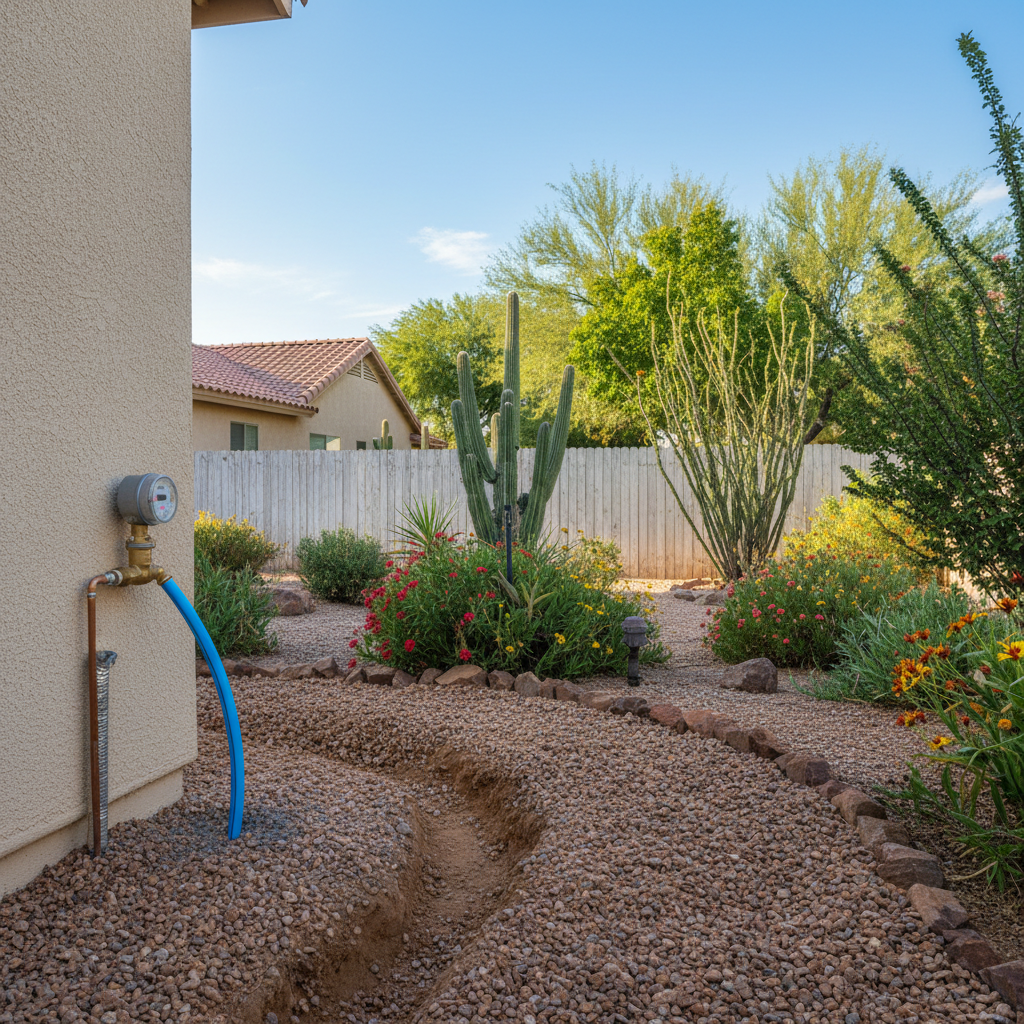
- Digging: Unless you're going trenchless (which isn't always an option, or even necessary), expect some excavation. That means trenches in your yard, usually about 4x4 feet wide and 6 feet deep in a couple of spots, or a continuous ditch following the pipe's path. They'll use heavy equipment and hand tools, of course.
- Noise: You'll definitely hear digging, machinery, and general construction sounds. It won't be a quiet day.
- Water Shut-Off: Your water will get turned off when they connect the new line. This usually lasts a few hours, not days, and a good plumber will keep that downtime to a minimum. Make sure someone 18 or older is home during this time.
- Temporary Mess: There might be some temporary inconvenience getting to parts of your yard or driveway. They'll set up safety cones and work zones.
- Cloudy Water: When your water service comes back on, you might notice the water looks a little cloudy. Don't worry; it's usually just air and sediment. Run your taps for a bit, starting with the lowest floor, until it clears up.
How to Prepare Your Home
You can make things a lot smoother for yourself and the crew with just a little bit of prep work:
- Clear the Area: If you know where they'll be working, move any outdoor furniture, planters, yard decorations, or anything else that might get in the way. Protect any plants or landscaping you want to keep.
- Tell Your Family: Let everyone in the house know when the water will be off and what to expect.
- Store Water: Fill some pitchers or bottles with drinking water, and maybe a bucket or two for flushing toilets, just in case the water's off longer than you thought.
- Secure Pets: Keep pets indoors or in a safe spot away from the work zone for their safety and for the crew's.
- Access: Make sure the crew can easily get to your water meter and where the water line comes into your home, usually in the garage or utility area.
Questions to Ask Before Signing a Contract
This is where you really protect yourself and make sure you're getting a quality job. Don't be shy about asking these—it's your money, after all:
- Are you licensed and insured? This is non-negotiable. Always check their license and confirm they have both general liability and worker's compensation insurance. You really don't want to be on the hook if someone gets hurt or something goes wrong.
- What materials will you use? Copper, PEX, and HDPE are common choices. Each has its good points and bad points. Given Chandler's hard water and expansive clay soils, picking the right material can make a huge difference in avoiding future problems like corrosion or pipe stress.
- Who handles the permits and utility locates? Your contractor should take care of this, but get it in writing.
- What's the estimated timeline, including permits? Get a realistic timeframe for the whole project, not just the digging part.
- How long will my water be shut off, and when? Get a clear idea of when your water will be off and for how long.
- What's included in the restoration? Will they just fill in the trench, or will they re-seed your lawn, replace pavers, etc.? Make sure you get it in writing.
- What's the warranty on the work and materials? A good company, like Chandler Water Heater, stands behind what they do.
- Can you give me some references? Talk to other homeowners who've had similar work done by them.
- What's the total cost, and what are the payment terms? Get a detailed, written estimate with no hidden fees. Understand if you need to pay a deposit and when the final payment is due.
Doing your homework upfront saves you a lot of headaches and money later on. A water line installation is a big investment in your home, so make sure you're working with a reputable company that talks straight and does the job right. We're always here to help Chandler homeowners figure out these kinds of projects.